Small Molecules & Coenzymes
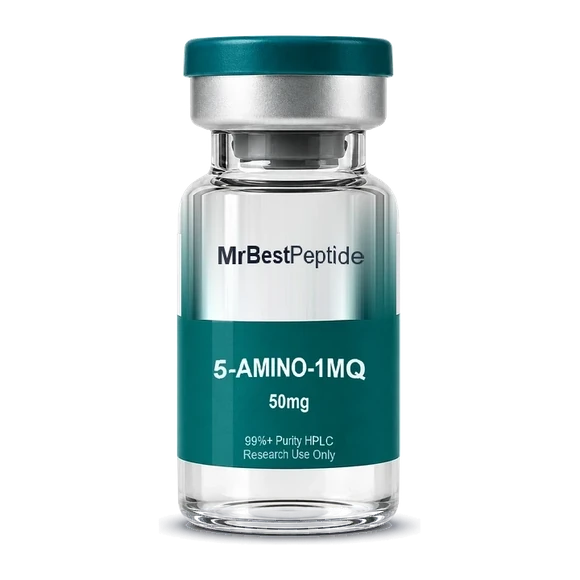
5-Amino-1MQ
5-Amino-1MQ is a small molecule rather than a peptide. It blocks an enzyme called NNMT,...
$8550mg vial
Non-peptide research compounds: NAD+ from 100mg, L-glutathione and 5-Amino-1MQ, 99%+ HPLC purity, identity confirmed, third-party COA per lot. Research use only.
5-Amino-1MQ is a small molecule rather than a peptide. It blocks an enzyme called NNMT,...
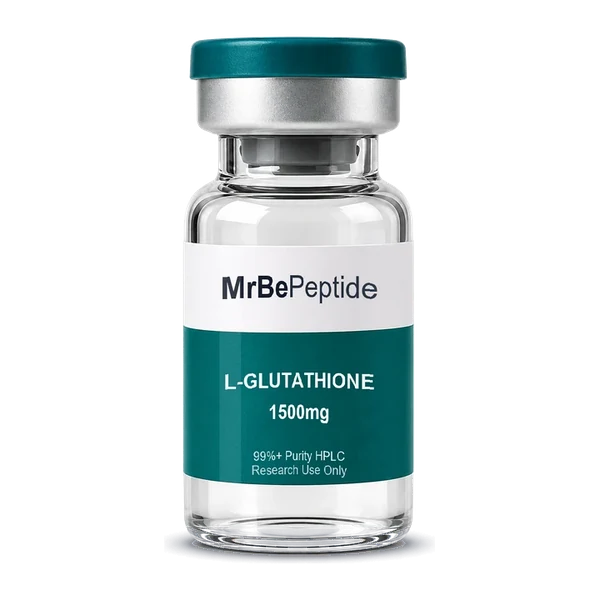
L-Glutathione, 1500mg. Thiol tripeptide, the principal intracellular antioxidant. 99%+...
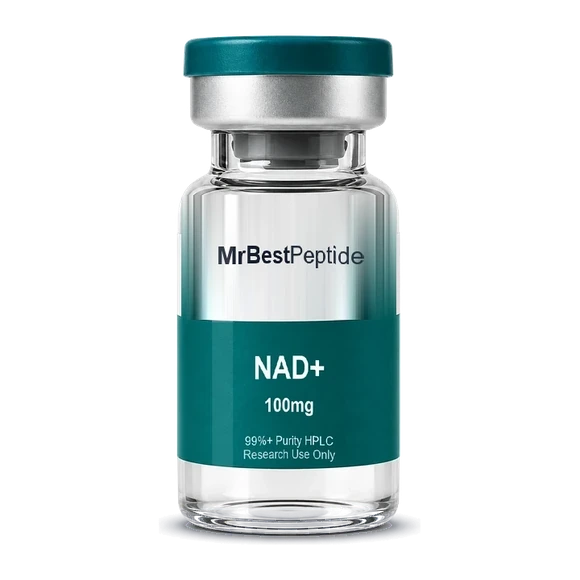
NAD+ is a coenzyme, a helper molecule that cells need to produce energy. Every living cell...
Three catalog entries are not peptides in the usual sense and are grouped here by that fact. NAD+ (nicotinamide adenine dinucleotide) is a pyridine dinucleotide coenzyme. 5-Amino-1MQ (5-amino-1-methylquinolinium) is a small-molecule inhibitor of nicotinamide N-methyltransferase studied in cell and rodent models. L-glutathione is the tripeptide Glu-Cys-Gly, included here because its chemistry (a thiol, a gamma-glutamyl linkage) sets it apart from the alpha-linked peptides elsewhere in the catalog.
Analytical testing for these compounds follows the same certificate structure: purity by HPLC as main-peak area, identity by mass or retention match, measured content per unit, laboratory and report number. NAD+ is sold in 100 mg, 500 mg and 1,000 mg vials; the certificate for each size's current lot is linked on the product page.
Stability notes from the chemistry: NAD+ is sensitive to hydrolysis in solution and to light; glutathione's thiol oxidises to the disulfide over time, which HPLC resolves as a separate peak; 5-Amino-1MQ is a quaternary quinolinium salt and is water-soluble. Storage conditions are those on the certificate for the lot.